
A flooring contractor must follow strict installation standards to deliver floors that last for years. Poor prep work and rushed installs can lead to cracks, gaps, and costly repairs. The good news? When proper steps are followed, your new flooring will look great and perform well.
In this guide, you will learn the key standards every flooring contractor should follow and why they matter for your home or business.
Why Flooring Contractor Standards Matter
Many flooring problems start below the surface. Even high-quality materials will fail if the base is not ready.
A professional flooring contractor follows industry rules to ensure:
- A flat and level surface
- Correct moisture levels
- Strong bonding of materials
- Clean, tight seams
- Proper expansion space
Skipping any of these steps can cause:
- Buckling
- Uneven boards
- Loose tiles
- Squeaking
- Water damage
Good standards protect your investment and help your floor last longer.
Subfloor Preparation by a Flooring Contractor
Preparation is the most important step in any flooring job. A skilled flooring contractor never installs over a surface that is dirty, uneven, or damp.
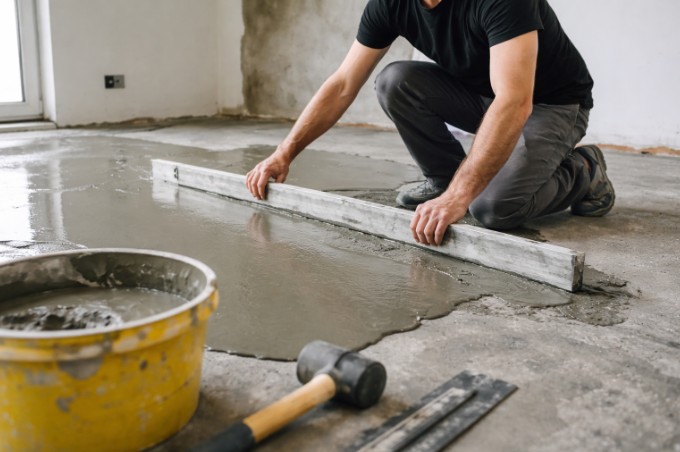
Key prep steps include:
- Removing old flooring
- Scraping away glue or debris
- Filling cracks or dips
- Sanding high spots
- Testing moisture levels
Concrete must be dry before wood or vinyl goes down. Wood subfloors must be stable and secure. If not, the flooring contractor must repair or replace weak sections. This step alone can prevent future problems.
Moisture Testing and Control Standards
Moisture is one of the top reasons floors fail. A trained flooring contractor always tests moisture before starting.
Common tools include:
- Moisture meters
- Calcium chloride tests
- Humidity readers
If levels are too high, the contractor may:
- Install a moisture barrier
- Use special adhesives
- Allow more drying time
Hardwood, laminate, and vinyl all react to moisture. Without testing, boards may warp or separate.
Following this standard protects both the floor and your warranty.
Proper Flooring Installation Methods
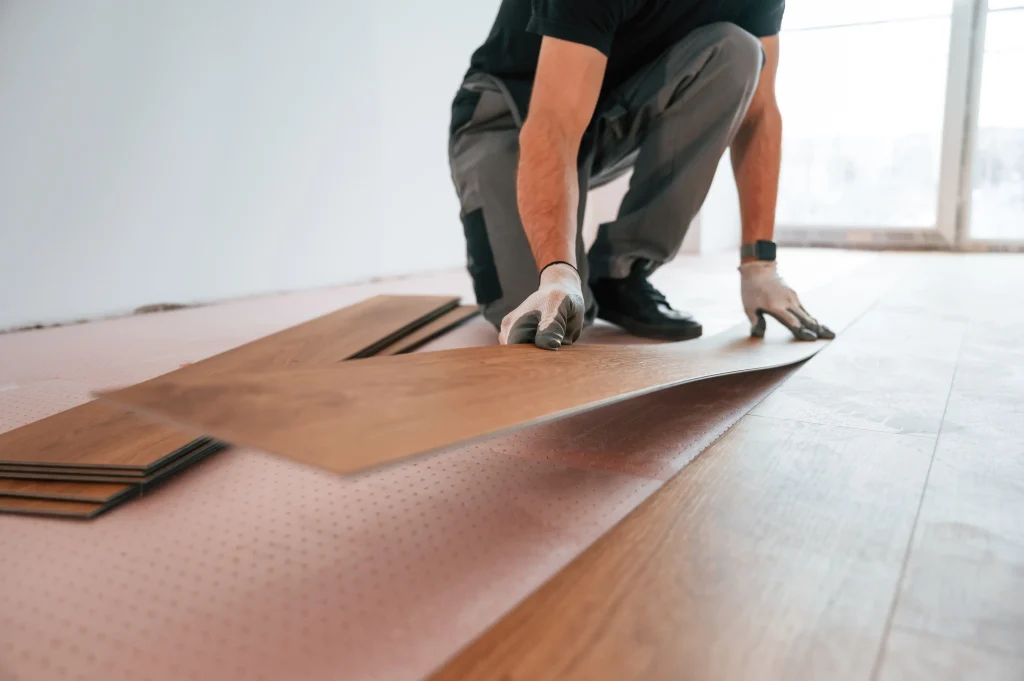
Each flooring type has its own method. A professional flooring contractor understands these differences.
Hardwood Installation Standards
- Leave expansion gaps along walls
- Acclimate wood before installation
- Use correct nail spacing
- Follow layout patterns
Wood expands and contracts with changes in weather. Proper spacing prevents buckling.
Tile Installation Standards
- Use level lines
- Apply the right thin-set
- Keep even grout spacing
- Allow curing time
Tiles must sit flat. Uneven mortar causes cracks.
Vinyl and Laminate Standards
- Ensure smooth subfloor
- Use correct underlayment
- Lock planks tightly
- Stagger seams properly
Clean seams and flat surfaces prevent lifting.
Adhesive and Fastening Standards
The right adhesive makes a big difference. A flooring contractor selects products based on:
- Material type
- Subfloor type
- Room moisture level
- Traffic load
Using the wrong glue can cause lifting or shifting. Fasteners must also meet spacing guidelines.
Professional installers follow manufacturer rules closely. This keeps warranties valid.
Inspection and Quality Checks
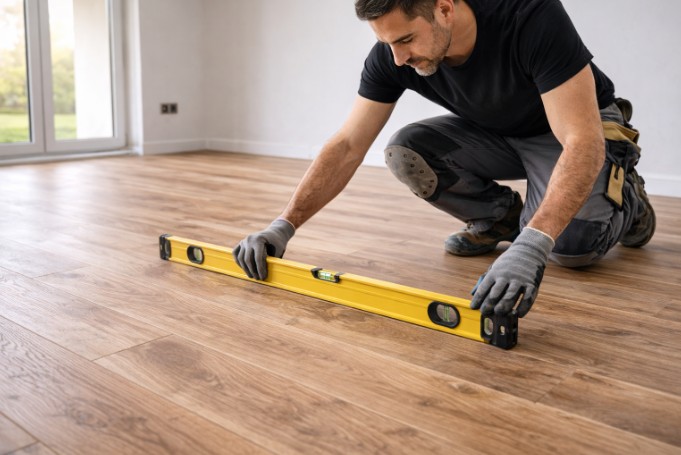
Before a job is complete, a flooring contractor performs final checks.
Final inspection includes:
- Checking for gaps
- Confirming smooth transitions
- Ensuring proper trim work
- Testing stability
The contractor also walks the client through care instructions.
These final steps ensure the job meets professional standards.
Flooring Contractor Safety and Code Compliance
A reliable flooring contractor follows local building codes and safety rules.
This may include:
- Fire-resistant materials where required
- Slip-resistant surfaces in wet areas
- ADA compliance in commercial spaces
Safety is not optional. It protects property owners and users.
Signs Your Flooring Contractor Follows Standards
Not sure if your installer is following best practices? Look for:
- Written estimates
- Clear timelines
- Moisture testing before install
- Clean work area
- Warranty information
A trustworthy flooring contractor explains each step clearly.
FAQ About Flooring Contractor Standards
How long should a flooring installation take?
It depends on the size of the space and material. Prep may take one to two days. Installation may take several more days.
Does every flooring contractor test moisture?
Professional contractors should always test moisture, especially for wood or vinyl.
Why does my floor need expansion gaps?
Wood and laminate expand with heat and humidity. Gaps prevent buckling.
Can I skip subfloor leveling?
No. An uneven base will cause visible issues and shorten floor life.
Quality Installation Makes the Difference
Flooring installation is more than laying boards or tiles. A skilled flooring contractor follows strict preparation, moisture control, adhesive, and inspection standards. These steps prevent common issues and protect your investment.
When installation standards are followed, your floors stay level, strong, and beautiful for years.
Ready for Professional Installation?
Do not risk costly mistakes. Work with a certified flooring contractor who follows proven installation standards from start to finish. The Makar Company delivers professional flooring services backed by strict installation standards and attention to detail. From prep work to final inspection, every step is handled with care. Contact us to schedule your consultation. Read more helpful guides on our blog page.
Quality flooring starts with the right standards. Let us help you build a strong foundation.